
Thriving farms feed communities. Strong communities grow more farms.
Wild Roots is working to build a model where small farmers can earn a good living, grow exceptional food, and care for the land. As those farms succeed, they can help strengthen the local food system, giving more people access to healthy, delicious food and creating opportunities for more farmers. The goal is to build something that keeps growing stronger with each new farm, customer, and community connection.
Each part strengthens the next.
A farm’s success depends on the community around it. When the pieces work together, they build on one another:
Farmers prosper
Farmers earn a good living, pay themselves well, and invest in their farms while leaving the soil healthier each season.
People eat better
Healthy, delicious food gives people a reason to buy from local farms.
Buyers commit
Restaurants and grocery stores that buy regularly give farmers the confidence to plan and invest.
More farms succeed
Successful farms share what they’ve learned and help create opportunities for more farmers — who supply more of the food the community eats.
Farmers prosper, people enjoy better food, and the community sees more reason to support local agriculture. Over time, that could change how much of Seattle and the Eastside’s food comes from nearby farms, with benefits that reach well beyond any one property.
Starting at Wild Roots.
The starting idea is to bring together three to five independent farmers at Wild Roots, near Duvall, working in produce, flowers, and livestock. Each would run their own business, with a shared commitment to regenerative farming and the determination to keep getting better at both farming and business.
Wild Roots would provide land and help with the things that are expensive to establish alone. The goal is for each farmer to reach financial independence within a few years, including paying appropriate lease and infrastructure costs. Continued owner funding could support the demonstration and education work.
The farm would give others a chance to see how these businesses work, including the costs, challenges, and support behind their results. Farmers could learn from one another and eventually teach others.
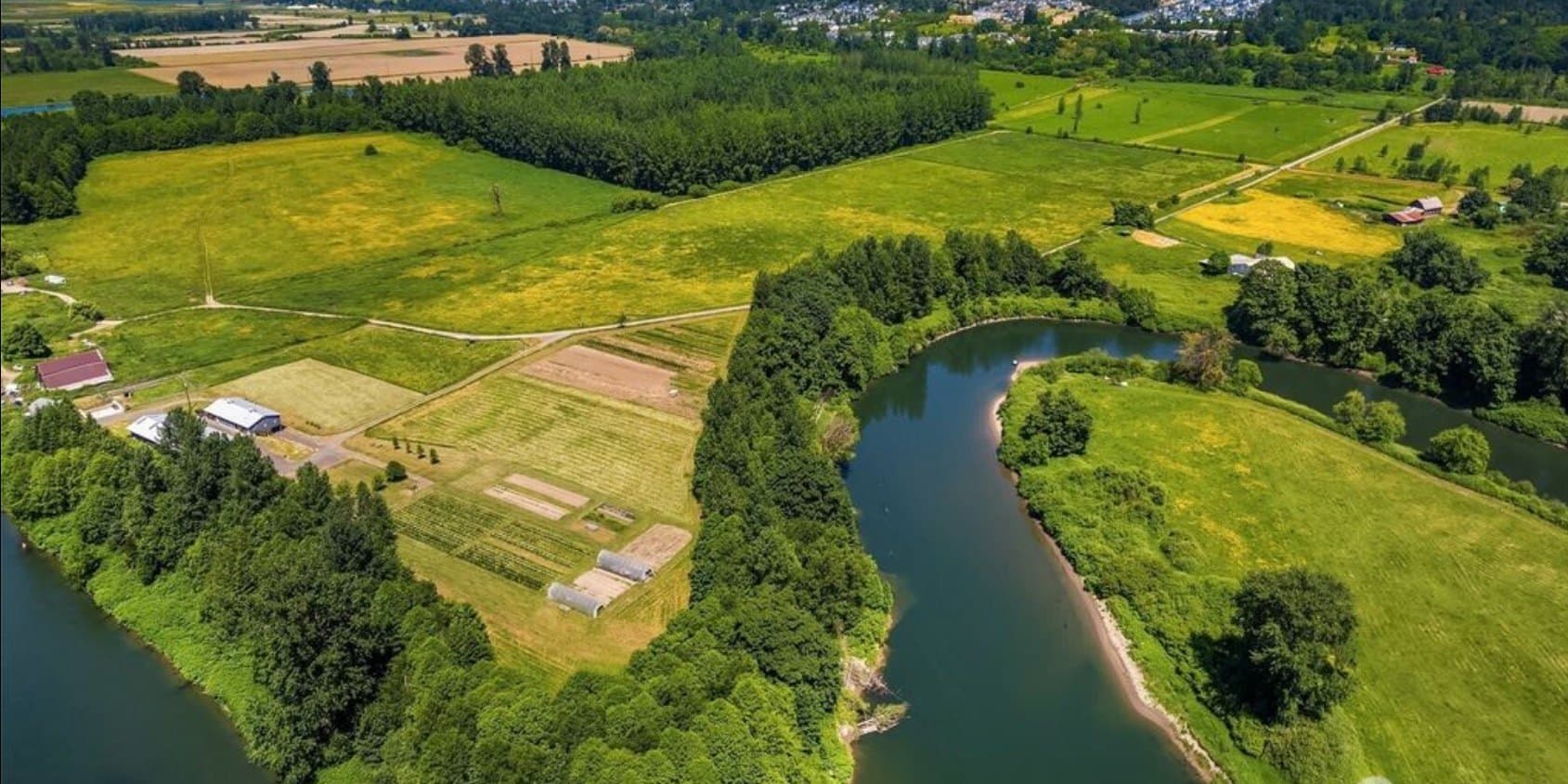
Shared infrastructure, expensive to build alone
- Irrigation
- A greenhouse
- Wash and packing facilities
- Refrigeration
- Freezer space
Pieces we want to work out with others.
- The business education and ongoing support farmers need
- How to reach dependable customers
- How to make buying from small farms work well for restaurants and grocery stores
People with experience in those areas could help shape the approach from the beginning. Wild Roots would start with a small group and learn through doing.
The larger ambition is to build a model that helps more farmers succeed, gives communities more healthy food to choose from, and can be put to work elsewhere, including beyond Western Washington.
✎ This is an emerging vision, current as of October 2026 — not a finished operating plan.
Want to help shape it?
If you farm, or bring experience in farm business, distribution, or local food buying, we would like to hear from you. Contact Kappie Ayers, Executive Director.